

In the Pacific Northwest, a sign is more than a marketing tool. It is a structural asset exposed to one of the most demanding commercial climates in the country. For business owners and property managers in Portland, choosing materials for exterior custom signs in 2026 is not a stylistic decision—it is a calculation of longevity, compliance, and total cost of ownership.
Persistent moisture, freeze–thaw cycles, heavy shade, and biological growth accelerate material failure. Substrates that perform well in dry or high-UV regions often degrade here within 2 years, showing corrosion, delamination, or surface growth that undermines brand credibility.
When commissioning custom signs, the objective is resilience first, aesthetics second. The most effective approach treats signage as an asset-management decision: selecting engineered materials that maintain structural integrity and visual clarity over a ten-year lifecycle while minimizing maintenance and replacement costs.
The ROI of Resilience: Why Substrate Selection is a Capital Investment
In 2026, the “Portland Factor” remains a critical variable in construction planning. The region’s unique combination of high rainfall and low UV index creates optimal conditions for moss, algae, and galvanic corrosion.
Choosing the right substrate is a risk management strategy. If a business opts for a lower-grade material to save 15% upfront, they often face a 100% replacement cost within 36 months when the material delaminates or rusts. Durable custom signs protect brand equity. A faded, moss-covered sign suggests a distressed business, whereas a pristine, well-engineered sign signals stability and authority.
Once the financial risk of failure is understood, the next logical step is to identify the specific materials engineered to mitigate that risk in an exterior environment.
Weathering the Wet Season: Exterior Materials Built for Portland
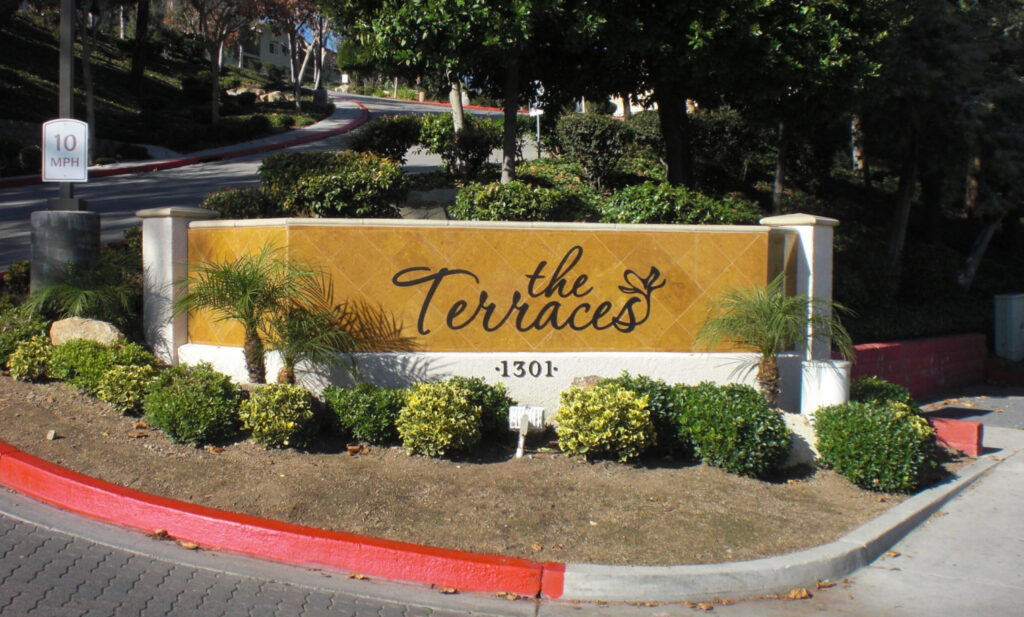
When specifying materials for custom business signs in the Pacific Northwest, resistance to hydrolysis (water damage) and oxidation is paramount. Here are the engineered solutions that meet the 2026 standards for durability:
Aluminum & Dibond: The Rust-Proof Standard for the PNW
Aluminum is the metallurgical gold standard for this region. Unlike steel, which requires constant galvanization to prevent red rust, aluminum naturally forms a protective oxide layer. It is lightweight, structurally rigid, and accepts high-performance architectural coatings (such as fluoropolymer paints) that shed water and dirt.
For panel applications, Aluminum Composite Material (ACM), often referred to by the brand name Dibond, is the industry preference. This engineered sheet features a solid polyethylene core sandwiched between two .012″ aluminum skins. It offers the flatness of heavy-gauge plate metal at a fraction of the weight, reducing the structural load on building facades while remaining impervious to rot.
HDU: Achieving the “Craftsman” Look Without the Wood Rot
Portland’s aesthetic often leans toward the natural—cedar beams and sandblasted wood. However, organic wood is a liability in a rainforest. It absorbs moisture, swells, and eventually cracks the paint surface, allowing rot to set in.
High-Density Urethane (HDU) is the engineered alternative. It is a closed-cell, waterproof foam that can be carved and sandblasted to replicate the exact grain and texture of redwood or cedar. Because HDU is completely inert, it does not expand or contract with humidity changes.
Paint bonds to it chemically, preventing the peeling issues common with wood custom signs. It delivers the heritage look of Old Town Portland with the lifespan of modern industrial plastic.
Architectural Acrylics & Polycarbonates
For illuminated faces, standard plastics often yellow under UV exposure, making a sign look dated. High-impact, UV-stable acrylics or polycarbonates are the superior choice. These materials are formulated to resist impact (hail or debris) and maintain optical clarity, ensuring LED illumination remains crisp and white, rather than shifting to a dull yellow over time.
Interior Systems: Balancing High-Traffic Durability with Design
While exterior signs fight the weather, custom interior signage that Portland businesses utilize must withstand abrasion and interaction. In high-traffic corridors, elevators, and lobbies, durability against impact and cleaning chemicals is key.
- Subsurface printing: For lobby directories and wayfinding, printing graphics on the back side of clear acrylic is a best practice. This protects the brand colors from scratches, fingerprints, and aggressive janitorial cleaning agents, preserving a glossy, high-end finish.
- Architectural films: In leased spaces where permanent construction is restricted, architectural vinyls offer a solution. These conformable films can resurface walls, glass, or even reception desks to match brand standards. They offer a cost-effective way to deploy custom interior signage that Portland tenants can remove cleanly at the end of a lease.
- Tactile compliance: For ADA signs, using photopolymer or routed metals that integrate the raised text and braille into the substrate itself is recommended. This prevents the tactile elements from being picked off—a common failure point in cheaper “applied bead” signs.
Understanding these material capabilities allows for a more accurate calculation of what a sign truly costs over its lifetime.
Lifecycle Costs: Evaluating Upfront Price vs. Long-Term Maintenance
Smart asset management requires looking at the “Total Cost of Ownership” (TCO).
- The “cheap” sign: A printed PVC sign or unsealed wood sign might cost $800. In the Portland climate, it will likely degrade in 18-24 months, requiring removal ($200) and replacement ($900). Total 3-year cost: $1,900 + brand damage.
- The engineered sign: A powder-coated aluminum or carved HDU sign might cost $1,500. It requires a simple wash down once a year. After 10 years, it still looks professional. Total 3-year cost: $1,500.
In 2026, labor rates for fabrication and installation are significant. Investing in custom signs that do not require frequent service calls is the most effective way to control operational expenses. However, even the best materials will fail if the underlying fabrication and installation are not executed with precision.
The Fabrication Process: Turning Design Concepts into Structural Reality
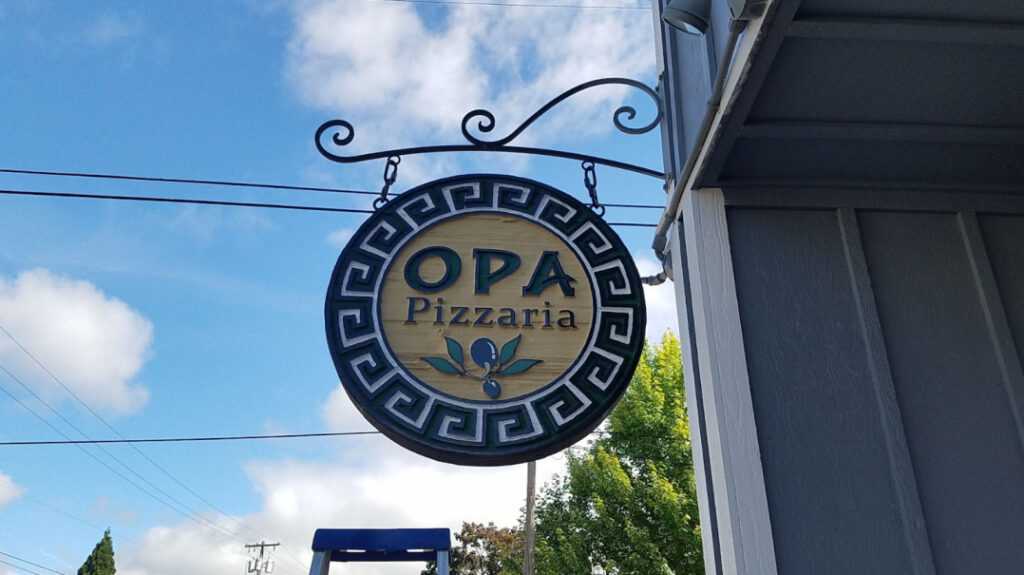
Execution is just as critical as material selection. A high-quality material can still fail if the fabrication process is flawed.
- Engineering review: Wind loads and structural attachment points must be calculated. In Portland, fasteners must be stainless steel to prevent “bleeding” rust streaks down a building’s facade.
- Permitting & zoning: Compliance with Title 32 (Portland’s Sign Code) is mandatory. Allowable square footage is calculated based on building frontage and zoning. “Dark Sky” regulations often necessitate halo-lit illumination to reduce light pollution while meeting visibility goals.
- Precision fabrication: Whether it is welding aluminum returns for a channel letter or routing an HDU panel, attention to detail—seamless corners, proper weep holes for drainage, and consistent paint application—defines the longevity of the final product.
The Importance of Professional Execution
For businesses planning long-term visibility in the Pacific Northwest, material choice determines whether signage becomes an asset or a liability.
OC Sign Group approaches custom signs in Portland, OR with an engineering-first mindset. We evaluate climate exposure, zoning, structure, and lifecycle cost before recommending materials—so your signage performs for years, not seasons.
Is your current signage built to last? Contact OC Sign Group to schedule a material and performance assessment for your existing or planned custom sign assets.